Material Matters: Leather vs. Linen in Men’s Bag Craft
A practical exploration of the textures that carry our daily lives. Leather and linen—two storied materials—meet in the world of men’s bags, where durability, weight, care, and aesthetics shape not merely what we carry, but how we feel while carrying it. This piece dives into the tactile conversation between heritage craft and modern practicality, drawing on real-world examples from brands in our ecosystem to illuminate choice without commerce.
In the quiet theater of a bag’s exterior, material speaks before function. Leather wears its history in a patina that hints at years of use; linen offers a cooler, more restrained presence, its fibers closed in a stonewashed finish that invites touch and subtler shadow. The choice between leather and linen is, at heart, a dialogue about weight distribution, maintenance rituals, and the way weather and wear map onto daily routines.
Leather: The tactile language of longevity
Leather bags carry a particular promise: that of a partner whose form remembers every jab of the daily commute, every hurried clasp, every rain-slick turn in a city afternoon. Leather’s density translates into a natural resistance to light abrasion; its heft anchors a sense of presence similar to a well-made briefcase or a robust messenger. The grain and finish—whether full-grain, top-grain, or corrected grain—signal a spectrum of personalities: the understated professional, the rugged traveler, the minimalist executive.
Consider a leather work bag designed for daily heft: a main compartment with reinforced seams, a padded sleeve for devices, and a hardware set that ages with grace. Leather responds to care in a way that feels almost conversational. Conditioning oils, occasional polishing, and mindful storage can slow the march of time, letting patina become a signature rather than a fault. The material’s warmth invites touch, and that haptics of touch often governs how we carry: steadier, more deliberate, as though the bag itself is part of a daily ritual.
Within our ecosystem, examples like the Drai Bag—though crafted in cotton canvas for a lighter, more utilitarian outcome—offer a useful contrast. Leather variants in similar silhouettes emphasize weight distribution and durability, reinforcing how choice of material shapes ergonomics and long-term satisfaction. When you weigh leather against linen, you’re not simply considering a surface; you’re weighing a philosophy of use.
Linen: A quiet fabric for modern rituals
Linen enters the bag conversation as a fabric anchored in restraint and texture. A stonewashed linen finish, as used by Libeco in several accessories, yields a tactile surface that rewards careful handling and thoughtful organization. Linen’s lightness is a practical advantage for daily carry: it keeps weight down, reduces fatigue, and invites a less fussy approach to care. The finish—stonewashed—adds depth and character without the glossy sheen of newly minted leather.
Linen’s breathability also translates into a climate-aware experience for the wearer. In warmer climates or crowded commutes, linen can feel cooler against the body, a subtle but meaningful comfort. The weave and finish contribute to a bag that sits softly yet holds its shape, offering a modular interior that respects the geometry of everyday items—laptops, notebooks, cords, and the miscellany of a life in motion.
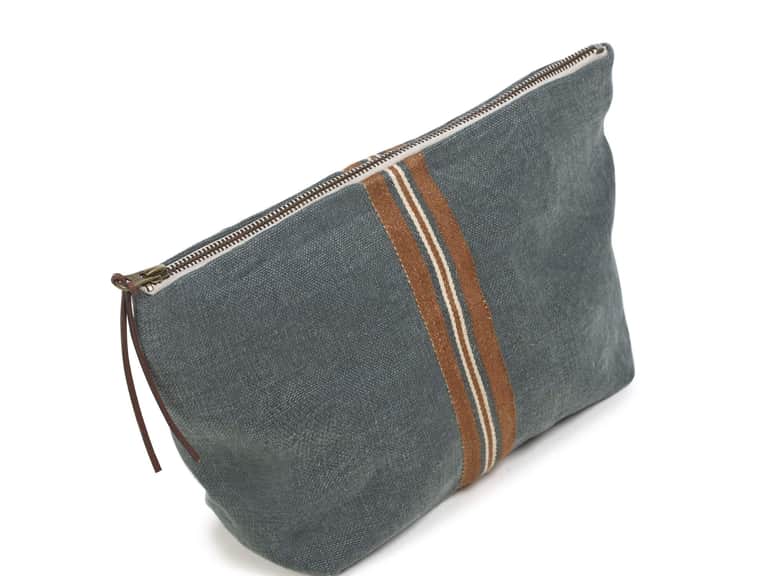
In our product ecosystem, the Atlas Cosmetic bag demonstrates linen’s everyday versatility: a stonewashed linen fabric with linen trim and a striped interior, designed for organization rather than ostentation. The material choice communicates a calm confidence—an assertion that organization can be both durable and elegantly understated.
Weight, durability, and daily wear
A bag’s weight is not merely a variable on a spec sheet; it is a daily companion’s first impression. Leather, in its heavier incarnations, announces itself with a solidity that can commute from desk to travel with little friction. Linen, lighter and more flexible, moves with less resistance, adapting to your pace rather than imposing its own tempo. For the commuter juggling a laptop, a notebook, and a small miscellany, the material choice will influence how fatigue accumulates over a week of routines.
Durability—an almost stubborn virtue—depends on construction as much as material. Leather bags rely on stitching integrity, edge finishing, and hardware that can withstand zips, buckles, and attachments. Linen bags lean on a disciplined weave, reinforced seams, and linings that resist snagging while maintaining a calm, matte finish. Both materials deserve respect for how they distribute weight across the body: padded straps for comfort, a balanced center of gravity, and thoughtful interior organization that avoids tipping the bag into a heavy one-sided burden.
Care routines: maintenance as a habit
Care routines are the practical extension of aesthetic choice. Leather is a material that responds well to a measured regimen: regular cleaning with a soft cloth, occasional conditioning to preserve suppleness, and mindful storage to avoid deformation. The patina of leather—its aging—is a visual narrative of its user’s life: a bag that tells stories through marks, scuffs, and a softening sheen. The discipline of care is not a ritual of preservation alone but a daily act that keeps a bag respectful toward its wearer.
Linen care is a gentler conversation. Linen benefits from a breeze of air rather than a heavy dose of care products. Gentle cleaning, perhaps a hand wash or gentle machine wash, followed by air drying, helps maintain the fabric’s texture and finish. Linen doesn’t demand the same level of oiling or conditioning as leather; instead, it rewards careful storage and avoidance of prolonged dampness, which can affect both silhouette and structural integrity.
The Atlas Cosmetic bag demonstrates linen’s ease of care in everyday practice. It’s a compact companion for vanity, cords, and small essentials. Its stonewashed finish gives it an easygoing patina, while its trim and lining create a refined silhouette that remains legible and calm on any desk, nightstand, or luggage compartment.
Size, format, and the geometry of usefulness
The bag’s dimensions and architectural lines determine how well it integrates into a daily system. Leather and linen both reward a well-matched size profile: too small, and you feel the pinch of constraint; too large, and you risk inefficiency and weight creep. A thoughtful approach to size considers your typical carry—laptop dimensions, a notebook or tablet, chargers, a water bottle, and perhaps a modest extra like a lightweight jacket or a copy of a book.
In practice, modular interiors—pockets, sleeves, and detachable organizers—help maintain order. A leather bag might feature dense pockets and a capacious main compartment with reinforced seams to keep devices secure. A linen bag can adopt a simplified interior with fewer rigid components, relying on the fabric’s drape to accommodate a range of items with fewer boundaries. The balance is a design that feels natural and unobtrusive while delivering reliable organization.
The Drai Bag, though described in our broader ecosystem as a cotton canvas tote, serves as a useful counterpoint here: its large, open silhouette prioritizes accessibility and quick retrieval, reminding us that material choice must align with use-case. A leather version of a similar silhouette might be heavier but offers a different sense of permanence; a linen counterpart would be lighter and cooler, trading some ruggedness for ease of carry. The right match depends on daily rituals.
A practical framework for choosing between leather and linen
For the office worker who travels between meetings and a desk—leaning toward a professional, durable companion—leather often holds a strong appeal. It communicates credibility and permanence. The right leather bag can become a heritage piece, improving with age if cared for properly. But leather’s weight and maintenance costs may push someone toward linen for a lighter, seasonally flexible option that still commands respect in appearance.
For the student or urban explorer who values lightness, breathability, and low maintenance, linen provides a compelling path. Its understated texture reads as modern minimalism, and its ease of care broadens accessibility. Linen bags pair well with casual or smart-casual wardrobes, offering a sense of quiet sophistication without the gloss of more traditional finishes.
A note on our ecosystem and real-world references
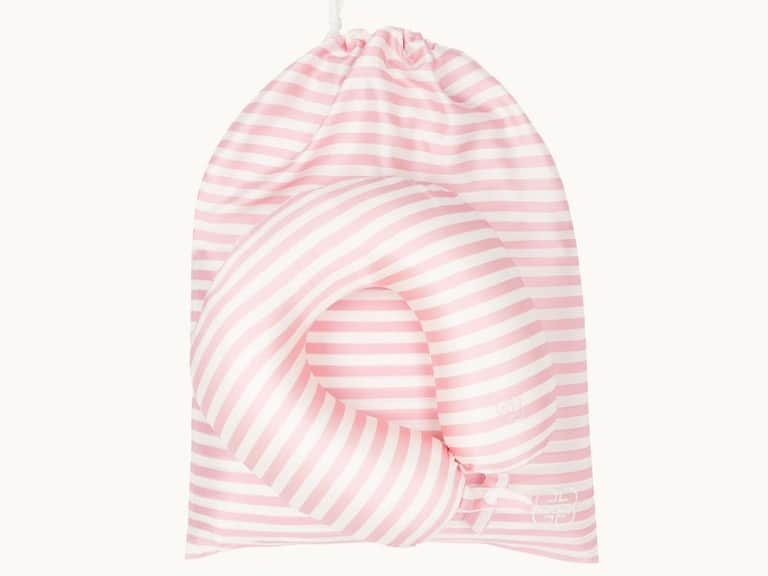
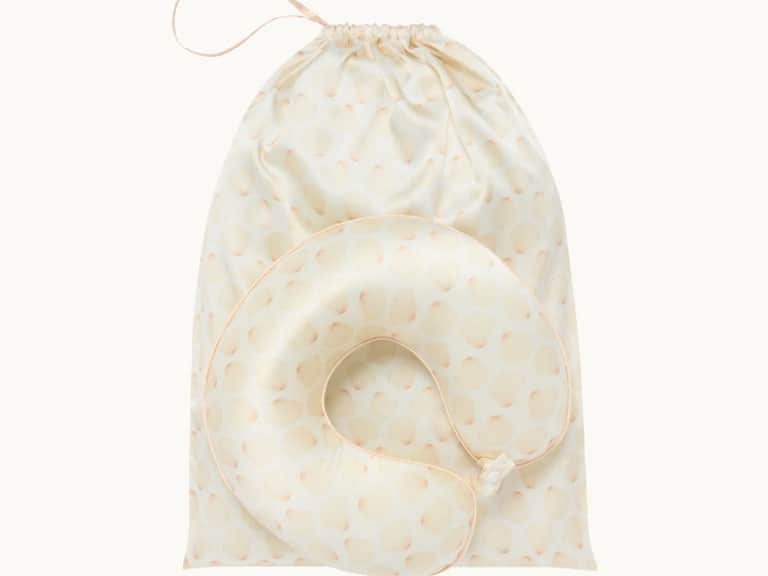
The material conversation gains texture when anchored to actual products that exist in the current marketplace. For instance, the Atlas Cosmetic bag from Libeco presents a linen-based solution with a stonewashed finish and linen trim—an exemplar of how linen textures translate into practical, everyday storage. The Silk Laundry Bag lines from Gingerlily illustrate the luxury side of travel organization; these pieces use 100% Mulberry silk at 19 Momme, offering a protective, breathable environment for delicate items, while highlighting how material science meets travel needs.
In balancing leather and linen, we’re not declaring one superior to the other; we’re outlining a spectrum of experiences. Leather narrates a longer, more storied arc—one that many professionals value for its gravitas. Linen offers a more agile presence—an adaptable, everyday fabric that fits into a faster pace and warmer climates. The ideal choice is a function of your routine, your weight tolerance, and your care philosophy.
Conclusion: choosing with care, carrying with intention
Material matters because it frames the probabilities of use. Leather and linen each offer a distinct set of advantages, shaped by weight, resilience, and care exigencies that define how we live with our bags. The best choice is not a matter of fashion dogma but a practical alignment with daily needs, a quiet agreement between how you move through space and what you choose to carry with you.
For readers exploring a non-commercial, educational path within the realm of men’s bags, we encourage viewing material as a living conversation. The brands that populate our landscape—Libeco with linen accessories, Society Limonta with durable cotton designs, Gingerlily with silk-structured travel bags—provide touchpoints for understanding how material properties translate into real-world performance. The point is not to catalog every option but to illuminate the moments when material choice matters most: the morning commute, the city dash between meetings, the quiet hour of packing for a weekend away.
If you’d like to explore a site-wide map of topics or a starter content calendar, we can tailor a plan that aligns with Direction B’s educational focus, inviting readers to deepen their understanding of bag selection, care, and use without commercial pressures.
Published date: September 30, 2026
Related reading from our ecosystem