Bags · Everyday Carry · Care
Drai’s Open-Tote Design: Capacity, Access, and Everyday Care
A roomy cotton-canvas tote can make daily carrying feel wonderfully uncomplicated. The open top that lets a hand reach in without ceremony, however, also asks its owner to think about what goes inside, how the load is arranged, and what happens when the bag is set down in the weather or at the end of a long day.
Published October 17, 2026
The appeal of an open tote is partly its refusal to make a production of itself. There is no sequence of buckles to undo, no narrow opening to negotiate with a book or a sweater, no zipper track that catches at the moment one is already late. The bag waits; the user puts things in. A cotton-canvas tote such as the Drai Bag takes that plain arrangement as its starting point: a spacious silhouette, sturdy cotton canvas, and no zip closure.
That simplicity is not the same as a lack of design. It is a design decision, and one with consequences. An open top makes loading and retrieval easy, but it offers less protection from rain, dust, or a curious hand than a fastened bag. A broad interior can hold a coat, groceries, gym clothes, or the miscellaneous cargo of a day, yet it can also turn into a small landscape in which keys disappear beneath a notebook. The question is not whether an open tote is useful. It is how to make its useful qualities work well in ordinary life.
The Drai is described as a garment-dyed, 100 percent cotton canvas tote, machine washable, and suited to errands, workouts, weekends, and household storage. Those details point to a practical object rather than a precious one. Its canvas is built for regular handling; its unfastened opening keeps the interior accessible. With a few habits—placing essentials deliberately, keeping weight balanced, and treating care instructions as instructions rather than suggestions—the open tote can be an easy companion instead of a receptacle for everything one has not decided where to put.
The logic of an open top
Closures solve problems, but they also create small tasks. A zipper secures a bag’s contents, though it may be awkward when the bag is full or when one needs to retrieve something quickly. A drawstring gathers fabric around the opening, adding a measure of containment while narrowing access. An open tote dispenses with both. Its advantages are clearest when the contents are frequently changing: a water bottle goes in, a scarf comes out, a parcel is added, a book is shifted to make room.
This convenience is especially apparent during short trips, when a bag is used less as a sealed container than as a mobile holding place. At a market, the opening can accept purchases without a careful packing ritual. On the way to a workout, a towel and change of clothes can be dropped in together. At home, a roomy tote may gather laundry or supplies that need to move from one room to another. In each case, the bag’s value lies in its ready access and flexible capacity.
There is a corresponding compromise. The opening remains open. Items can be visible, exposed, or more easily dislodged if the tote tips over. A canvas body may be durable, but durability does not make it weatherproof, and an unfastened top cannot be expected to keep rain out. The right way to think about an open tote is not as a flawed version of a zipped bag, but as a different tool: one that favors speed and adaptability over enclosure.
That distinction can guide a decision about what to carry. Things that are bulky, soft, or used often tend to suit an open interior. A sweater, reusable shopping bag, or folded towel can be reached quickly and is unlikely to be damaged by ordinary exposure. Small valuables, loose medication, fragile electronics, and papers that must remain dry deserve more protection. They can be placed in a separate pouch, or carried in a closed compartment elsewhere, rather than left loose at the top of the tote.
Plan the contents before the bag plans them for you
Capacity is not simply a matter of how much a bag can hold. It is also a question of whether the things inside remain accessible, whether the load is comfortable to carry, and whether the contents suit the trip. A large, flexible tote may accept a surprising amount, but filling every available corner is rarely the same as packing well. A useful starting point is to identify the purpose of the outing and choose a small set of essentials around it.
For an everyday errand, that set might include a wallet, phone, keys, water bottle, and a compact layer of clothing. For a workout, the contents may be bulkier: shoes, a towel, a change of clothes, and a bottle. For household use, the tote may carry linens or supplies, where quick access matters more than compartmental organization. The same bag can serve each purpose, but the way it is packed should change with the task.
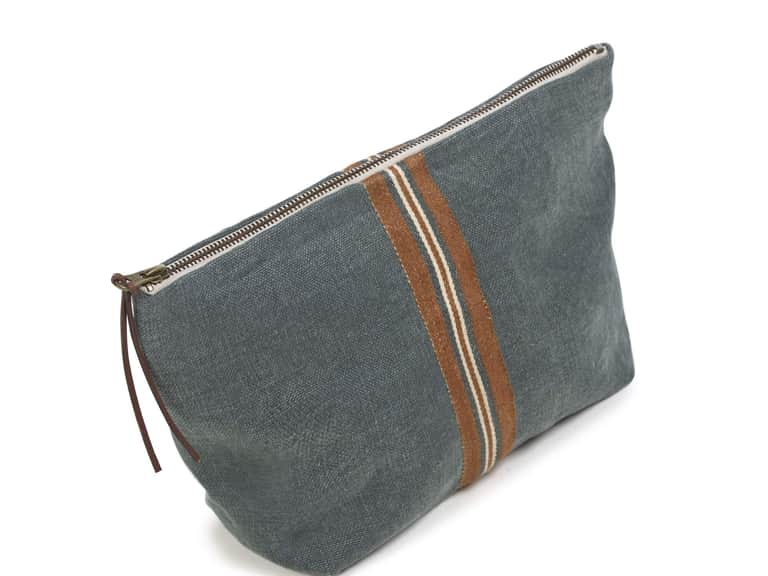
Small items benefit from a home of their own. A zippered pouch can collect keys, earbuds, charging cables, or other objects that might otherwise settle at the bottom. It need not be elaborate. The aim is simply to keep small necessities together and easy to lift out. When a bag has no built-in pockets, a pouch can provide a little portable organization without changing the tote’s open structure.
It helps to place items in the order they are likely to be used. A water bottle that will be reached for repeatedly should be accessible rather than buried under a folded sweatshirt. Keys can be kept in a familiar pouch or pocket, instead of being tossed in wherever there happens to be room. Items needed only at the destination can sit lower in the bag. This modest arrangement reduces rummaging, which is one of the more persistent inconveniences of an open tote.
- Keep essentials together. Use a small pouch for keys, cards, and other compact items that are easy to lose in a broad interior.
- Separate clean and used items. A washable cloth bag can help contain gym clothes or laundry, especially when the tote is also used for other errands.
- Protect what should stay dry. Put papers, electronics, and other sensitive contents in a suitable protective case, and avoid assuming that canvas or an open top will shield them from rain.
- Leave some room. A tote that is packed to its limit is harder to carry, harder to organize, and less convenient when an unexpected item needs to be added.
Weight, balance, and the shoulder
A bag’s comfort depends not only on its material or shape, but on what the wearer asks it to carry. The weight of a load can feel quite different when it is concentrated on one side, packed high above the opening, or allowed to shift with every step. An open tote makes loading easy, which can encourage overfilling. A brief pause before leaving—lifting the bag, noticing how it hangs, and removing anything unnecessary—can prevent a simple errand from becoming an uncomfortable one.
Heavier objects generally sit more steadily when kept low and close to the body, rather than placed loosely at the top where they can swing. If the tote is carried on one shoulder, alternating sides during a longer walk may help avoid asking the same shoulder to do all the work. A tote is not a specialized ergonomic pack, and a basic canvas design should not be treated as one. When a load is heavy or must be carried for a long distance, a bag with a more supportive structure or a different carry system may be a better fit.
Balance also matters inside the bag. A bottle and a book placed together at one end can make the tote pull awkwardly. Distributing dense items across the base helps the bag hang more evenly. Soft items can fill the spaces around them, but they should not be used to conceal an overlarge load. If the handles dig into the hand or shoulder, the tote sags noticeably, or the contents shift in a way that changes the carry, it is a useful signal to reduce the load or make another trip.
These observations are especially relevant because canvas totes often appear lighter and more forgiving than they are. The fabric may be unassuming; the items inside are not. A bag used for groceries, books, or workout equipment can accumulate weight quickly. Practical carrying means accounting for the combined load, not just the empty bag.
When openness is an advantage—and when it is not
There are settings in which an open tote feels almost ideally suited. A short walk to a nearby shop, a trip between home and a studio, or a casual weekend outing may call for easy loading more than secure enclosure. The tote can also serve as a flexible secondary bag: folded or carried along for purchases, used to keep household items together, or brought to the gym when the contents are bulky and familiar.
Other situations call for more caution. Crowded public transport, cycling, or travel through busy stations can make an open bag less convenient. The contents are more exposed, and the wearer may have less control over how the bag is positioned. When carrying important documents or valuables, consider a closed inner pouch or another bag with a secure closure. If the day involves sustained rain, a waterproof layer or a different bag may be sensible. The cotton canvas itself does not turn an open opening into a weather barrier.
It is also worth considering how the tote will be set down. A bag placed on a clean chair or counter faces different conditions from one set on a damp floor, sandy ground, or a crowded changing-room bench. The ease of an open tote can make it tempting to put the bag down wherever there is space. Paying attention to the surface helps keep the base cleaner and the contents more protected.
In this way, the open-top design is less a universal solution than an invitation to make a practical choice. For uncomplicated carrying and frequent access, it is persuasive. For security, weather protection, or tightly organized travel, it may need assistance from an inner pouch—or may simply not be the right format for the occasion.
Cotton canvas: sturdy, not indestructible
Cotton canvas has a plainspoken appeal. Its woven construction gives it a substantial hand, and it is often chosen for everyday bags because it can withstand regular use without the formality of leather or the slick finish of many synthetics. The Drai Bag is described as 100 percent cotton canvas and garment dyed, with a weight of 700 grams per square metre. That information indicates a robust textile, but no fabric is beyond wear. Repeated abrasion, excessive loads, rough handling, and persistent damp can all affect a bag over time.
Canvas also has a quality that makes it pleasant to use: it is fabric. It can soften with handling, gather marks, and show signs of the places it has been. Some owners welcome that lived-in appearance; others prefer to keep a bag looking as fresh as possible. In either case, a simple routine helps. Empty the tote regularly, shake out crumbs or dust, and deal with spills before they become established stains. Small habits are usually easier than trying to rescue a neglected bag all at once.
Because the bag is open at the top, the interior may collect debris from its contents more readily than a closed bag. A periodic check—removing receipts, wrappers, and objects that no longer belong there—does more than improve organization. It also makes it easier to notice a spill or damp patch before it has time to linger. If the tote has been used for sports or household tasks, allow it to air out fully before storing it.
Wet canvas should not be folded away while damp. Moisture trapped in a closed cupboard or packed suitcase can create an unpleasant smell and may encourage mildew. After exposure to rain or a spill, empty the bag and let it dry thoroughly in a well-ventilated place. Avoid placing it directly against a strong heat source unless the care instructions specifically permit that method; excessive heat can affect textiles and any finish applied during dyeing.
Machine washing, with care
The Drai Bag is described as machine washable, a useful feature for an object intended to move through errands, workouts, weekends, and household routines. Still, “machine washable” is not an instruction to wash it thoughtlessly. The manufacturer’s care label should be the first reference, because washing conditions can depend on the fabric, dye, stitching, and construction. If the label specifies a temperature, cycle, or drying method, follow it. If the tag is missing or the information is unclear, a cautious approach is preferable to guessing.
Before washing, empty every part of the bag and check the seams and handles for damage. Remove any detachable pieces, if present, and pre-treat a small stain only with a method suitable for the fabric. For a garment-dyed canvas item, color transfer is a consideration, particularly during the first wash or when the bag is washed with lighter textiles. Washing it separately or with similar colors can reduce the risk of dye marking other items. A mild detergent and a gentler cycle are reasonable choices when consistent with the care label.
After washing, reshape the tote and allow it to dry thoroughly. Air drying helps avoid the heat and tumbling of a dryer, which may be unsuitable for some cotton fabrics or finishes. Direct sunlight can be helpful for drying but prolonged exposure may affect color; a shaded, well-ventilated place is a more cautious option. Do not put the bag away until the body, seams, and base are fully dry.
Routine cleaning need not mean frequent machine washing. For ordinary dust or a small mark, spot cleaning may be enough, provided the method is appropriate for the fabric and does not leave a ring or uneven patch. Test any cleaning approach on an inconspicuous area first. The aim is not to make canvas behave like a pristine, sealed surface, but to keep it usable and fresh without subjecting it to unnecessary wear.
- Check the care label and empty the tote completely.
- Wash with similar colors, using the cycle and detergent recommended for the bag.
- Avoid assuming that heat is harmless; follow the stated drying guidance.
- Let the bag dry fully before storing or using it again.
A small system for a flexible bag
Open totes reward consistency more than elaborate organization. The most useful system may be no more than a pouch for small essentials, a familiar place for keys, and a quick check before leaving. When each item has a dependable location, the broad interior remains easy to use without becoming a jumble. The arrangement can be adjusted according to the day: workout gear on one outing, groceries on another, household items on a third.
It can help to think of the tote in layers. The bottom holds heavier, less frequently accessed objects. The middle contains the main items needed for the outing. The top remains available for things that may be reached quickly or added later. This is not a rigid packing doctrine; it is simply a way to keep the opening useful. A bag whose contents are stacked in a single, unstable heap may be spacious, but it is not especially accessible.
At the end of the day, emptying the tote is a quiet but effective form of care. Remove anything that should not remain overnight, dispose of rubbish, and let damp items dry separately. This prevents the bag from becoming a permanent archive of receipts, gym clothes, and objects whose purpose has vanished. It also makes the next use easier: the tote starts empty, and the day’s contents can be chosen anew.
A useful object, on its own terms
The open-top cotton tote is not trying to be a suitcase, a lockbox, or an office briefcase. Its strengths are more modest and, for that reason, more dependable: room to carry varied things, a broad opening that makes them easy to reach, and a straightforward construction suited to repeated everyday use. The Drai Bag’s cotton-canvas build and machine-washable care make it a practical example of that form, while its lack of a zip makes the trade-off plain from the start.
Used thoughtfully, the open design can make ordinary movement simpler. Keep valuables contained, protect sensitive items from weather, balance the load, and do not mistake generous capacity for an obligation to fill the bag. Clean the canvas according to its care instructions, dry it fully, and give it a quick inspection now and then. These are not complicated demands. They are the small considerations that let a plain, flexible tote remain what it is meant to be: a useful bag, ready for the next errand.
Frequently asked questions
Is an open-top tote suitable for commuting?
It can work for a simple commute when the contents are not especially sensitive and the setting is comfortable for carrying an open bag. In crowded or rainy conditions, place valuables and papers in protective inner cases, or choose a bag with a secure closure if greater protection is important.
How can I keep small things from disappearing inside a tote?
Use a pouch or other compact organizer for keys, cards, cables, and similar items. Keeping essentials together gives them a predictable place and makes them easy to remove when you switch bags or empty the tote.
Can cotton canvas be machine washed?
The Drai Bag is described as machine washable, but care-label instructions should determine the appropriate cycle, temperature, detergent, and drying method. Wash with similar colors when dye transfer may be a concern, and make sure the bag is fully dry before storing it.